What is mental health?
Mental health includes our emotional, psychological and social well-being. It affects the way we think, feel and act when we face life. It also helps determine how we handle stress, relate to others, and make decisions. Mental health is important at all stages of life, from childhood and adolescence to adulthood and old age.
What are mental illnesses?
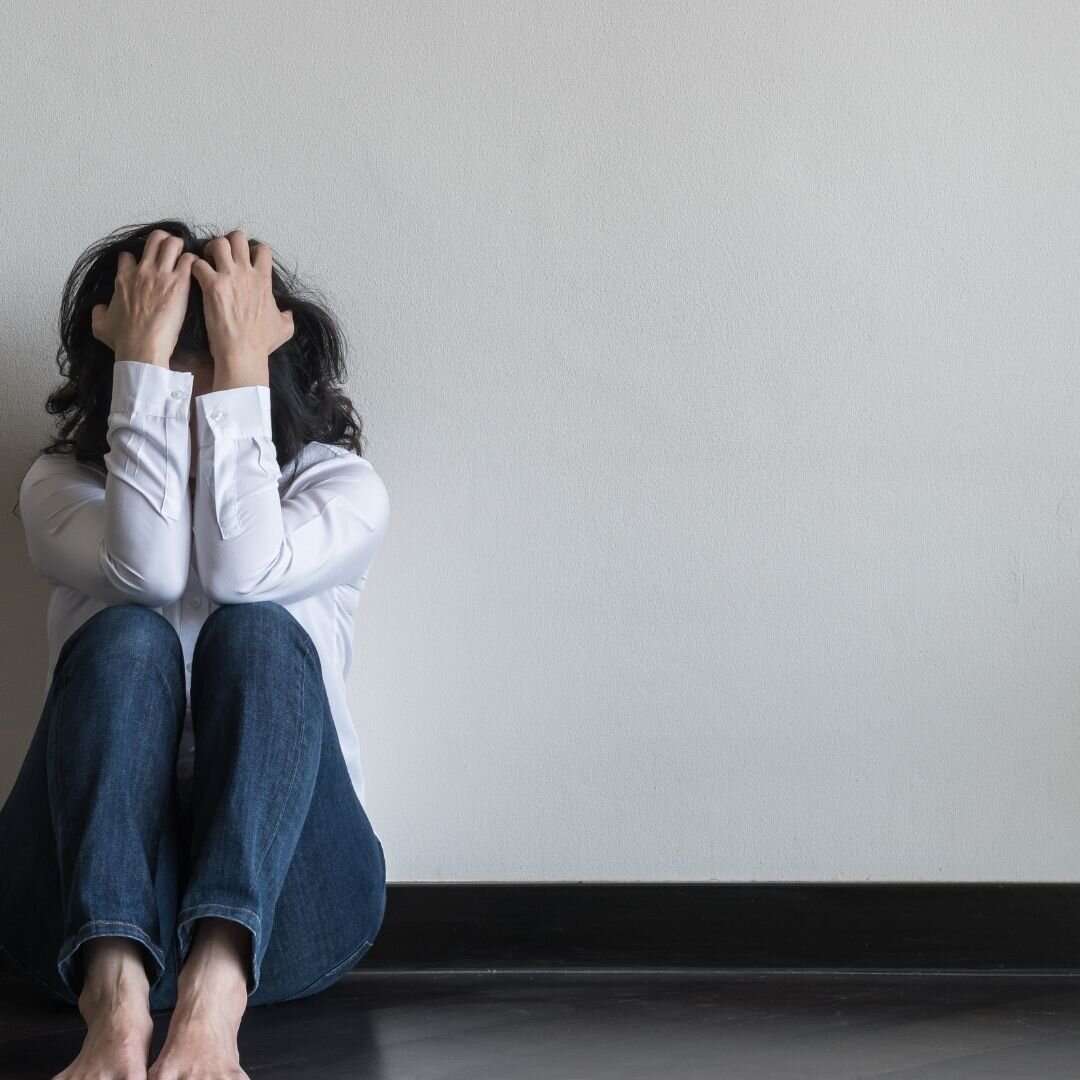
Mental illnesses are severe conditions that can affect your thinking, mood, and behaviour. They can be occasional or long-lasting. They can affect your ability to relate to others and function each day. Mental problems are common. However, there are treatments available. People with mental health disorders can improve, and many of them make a full recovery.
Why is mental health important?
Mental health is important because it can help you:
Coping with the stress of life
Be physically healthy
Have healthy relationships
Contribute significantly to your community
Work productively
Reach your full potential
Your mental health is also important because it can affect your physical health. For example, mental disorders can increase your risk for physical health problems, such as stroke, type 2 diabetes, and heart disease.
What can affect my mental health?
Many different factors can affect your mental health, including:
Biological factors, such as genes or brain chemistry
Life experiences, such as trauma or abuse
Family history of mental health problems
Your lifestyles, such as diet, physical activity, and substance use
You can also change your mental health by taking steps to improve it, such as meditation, relaxation techniques, and being thankful.
Risk factors for mental health conditions

Everyone has some risk of developing a mental health disorder, no matter their age, sex, income, or ethnicity.
Social and financial circumstances, biological factors, and lifestyle choices can all shape a person’s mental health.
A large proportion of people with a mental health disorder have more than one condition at a time.
It is important to note that good mental health depends on a delicate balance of factors and that several elements of life and the world at large can work together to contribute to disorders.
The following factors may contribute to mental health disruptions.
Continuous social and economic pressure
Having limited financial means or belonging to a marginalized or persecuted ethnic group can increase the risk of mental health disorders.
Modifiable factors for mental health disorders include:
Socioeconomic conditions, such as whether work is available in the local area
Occupation
A person’s level of social involvement
education
Housing quality
Nonmodifiable factors include:
Gender
Age
Ethnicity
Biological factors
Having a gene with links to a mental health disorder, such as depression or schizophrenia, does not guarantee that a condition will develop. Likewise, people without related genes or a family history of mental illness can still have mental health issues.
Mental health conditions such as stress, depression, and anxiety may develop due to underlying, life-changing physical health problems, such as cancer, diabetes, and chronic pain.
Common mental health disorders

The most common types of mental illness are as follows:
Anxiety disorders
mood disorders
Schizophrenia disorders
Anxiety disorders
Anxiety disorders are the most common type of mental illness.
People with these conditions have severe fear or anxiety, which relates to certain objects or situations. Most people with an anxiety disorder will try to avoid exposure to whatever triggers their anxiety.
Examples of anxiety disorders include:
Generalized anxiety disorder (GAD)
Disproportionate worry that disrupts everyday living.
People might also experience physical symptoms, including
restlessness
fatigue
tense muscles
interrupted sleep
A bout of anxiety symptoms does not necessarily need a specific trigger in people with GAD.
They may experience excessive anxiety on encountering everyday situations that do not present a direct danger, such as chores or keeping appointments. A person with GAD may sometimes feel anxiety with no trigger at all.
Panic disorders
People with a panic disorder experience regular panic attacks, which involve sudden, overwhelming terror or a sense of imminent disaster and death.
Read more about panic attacks here.
Phobias
There are different types of phobia:
Simple phobias: These might involve a disproportionate fear of specific objects, scenarios, or animals. A fear of spiders is a common example. Learn more about simple phobias here.
Social phobia: Sometimes known as social anxiety, this is a fear of being subject to the judgment of others. People with social phobia often restrict their exposure to social environments. Find out more here.
Agoraphobia: This term refers to a fear of situations in which getting away may be difficult, such as being in an elevator or moving train. Many people misunderstand this phobia as a fear of being outside. Read all about agoraphobia here.
Phobias are deeply personal, and doctors do not know every type. There could be thousands of phobias, and what might seem unusual to one person may be a severe problem that dominates daily life for another.
Obsessive-compulsive disorder (OCD)
People with OCD have obsessions and compulsions. In other words, they experience constant, stressful thoughts and a powerful urge to perform repetitive acts, such as hand washing.
Post-traumatic stress disorder (PTSD)
PTSD can occur after a person experiences or witnesses a deeply stressful or traumatic event.
During this type of event, the person thinks that their life or other people’s lives are in danger. They may feel afraid or that they have no control over what is happening.
These sensations of trauma and fear may then contribute to PTSD.
Discover how to recognize and treat PTSD.
Mood disorders
People may also refer to mood disorders as affective disorders or depressive disorders.
People with these conditions have significant mood changes, generally involving either mania, which is a period of high energy and elation, or depression. Examples of mood disorders include:
Major depression: An individual with major depression experiences a constant low mood and loses interest in activities and events that they previously enjoyed. They can feel prolonged periods of sadness or extreme sadness.
Bipolar disorder: A person with bipolar disorder experiences unusial changes in their mood, energy levels, levels of activity, and ability to continue with daily life. Periods of high mood are known as manic phases, while depressive phases bring on low mood.
Seasonal affective disorder (SAD): Reduced daylight triggers during the fall, winter, and early spring months trigger this type of major depression. It is most common in countries far from the equator.
Schizophrenia disorders
Mental health authorities are still trying to determine whether schizophrenia is a single disorder or a group of related illnesses. It is a highly complex condition.
Signs of schizophrenia typically develop between the ages of 16 and 30 years. The individual will have thoughts that appear fragmented, and they may also find it hard to process information.
Schizophrenia has negative and positive symptoms. Positive symptoms include delusions, thought disorders, and hallucinations. Negative symptoms include withdrawal, lack of motivation, and a flat or inappropriate mood.
Can my mental health change over time?
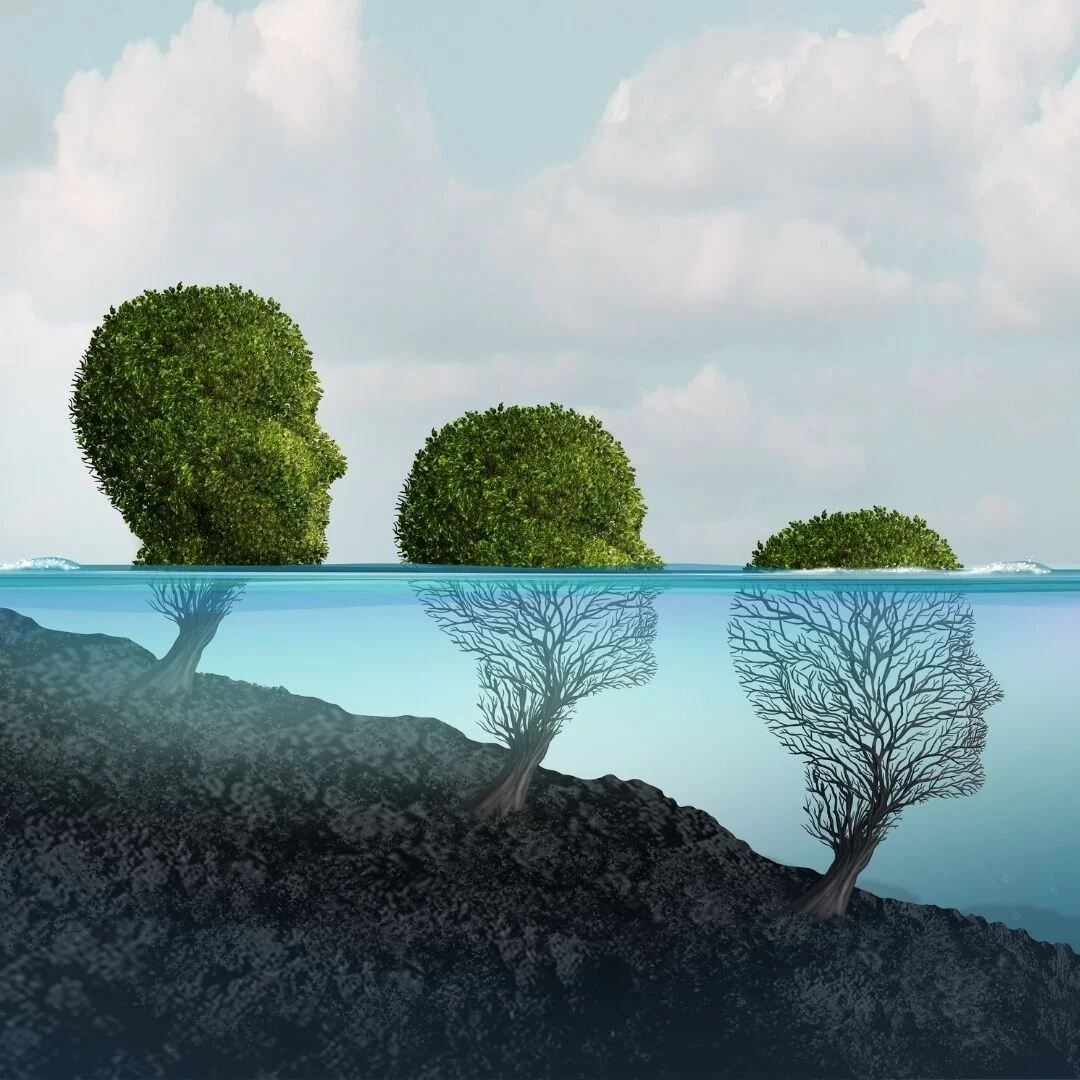
Over time, your mental health can change. For example, you may be facing a difficult situation, such as trying to control a chronic illness, caring for a sick relative, or having money problems. The situation can exhaust you and overwhelm your ability to deal with it. This can make your mental health worse. On the other hand, receiving therapy can improve it.
What are the signs of having a mental health problem?
When it comes to your emotions, it can be difficult to know what is normal and what is not. But mental health problems have warning signs, such as:
Changes in your eating or sleeping habits
Isolating yourself from the people and activities you enjoy
Have little or no energy
Feeling empty or like nothing matters
Have unexplained aches and pains
Feeling helpless or hopeless
Smoking, drinking, or using drugs more than usual
Feeling unusually confused, forgetful, angry, upset, worried, or scared
Have severe mood swings that cause problems in your relationships
Having thoughts and memories that you can't get out of your head
Hearing voices or believing things that are not true
Thinking about hurting yourself or others
Not being able to do daily tasks like babysitting or going to work or school.
What should I do if I think I have a mental health problem?

If you think you may have a mental health problem, seek help. Talk therapy can treat mental disorders. If you don't know where to start, talk to your healthcare professional or contact us for more information.