How does addiction affect a relationship?
When an individual presents with substance addiction, sooner or later negative consequences begin to appear in all spheres of his life, and one of them is the couple, even causing a break in some cases.
Addiction is a disease that affects the functioning and structure of the brain, which prevents the individual from stopping consumption despite the negative consequences. Inevitably the addict generates harm in the people around him because he cannot stop his consumption and also a symptom of this disease is the denial of the problem, which makes it very difficult for the addict to abandon consumption.
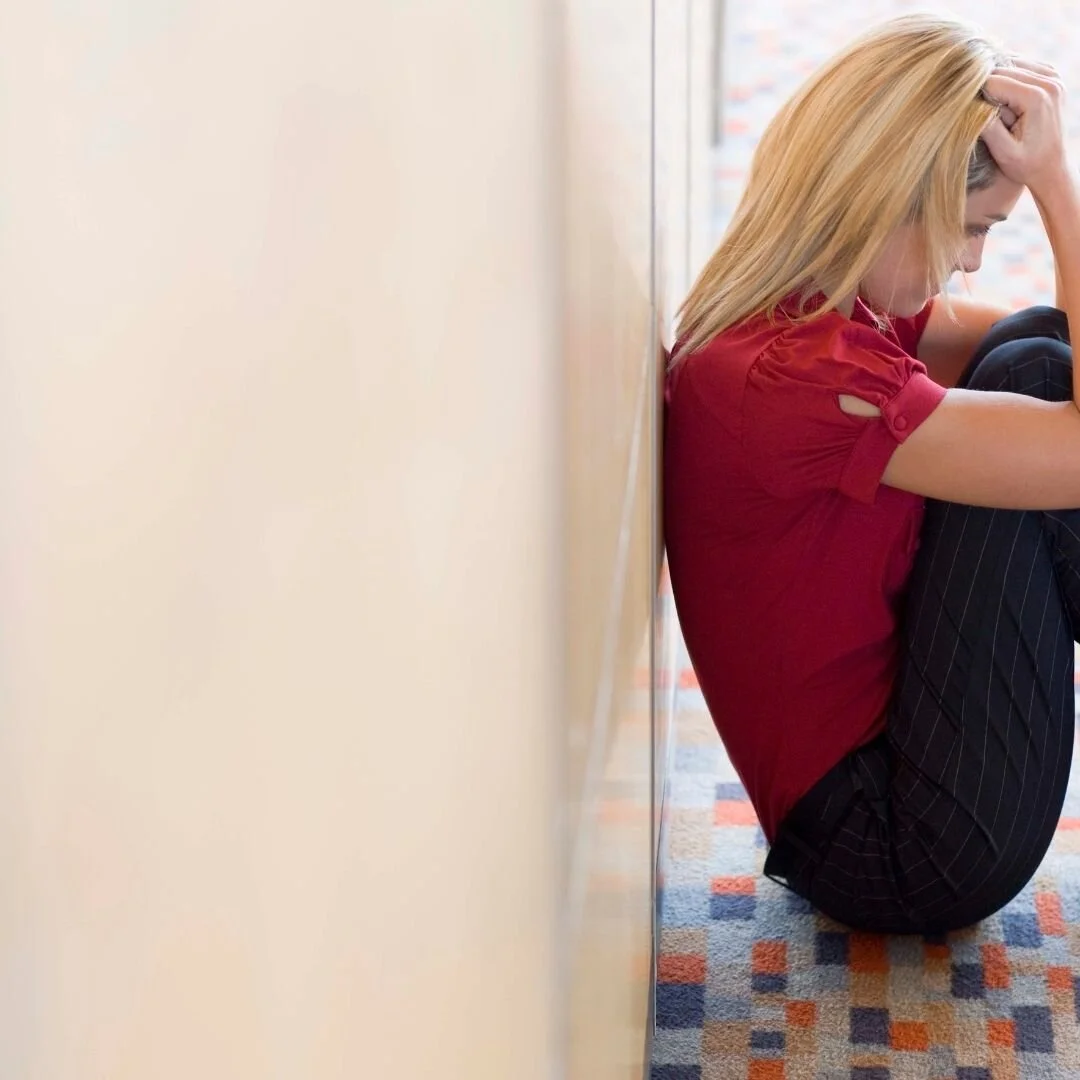
Drug use tends to go hand in hand with dishonesty, that is, the addict may want to abandon the use, but often self-deceive by abandoning it, since they assume that there is no willpower and that they need help to do so is not an easy task due to the disease itself.
Why is the couple's relationship damaged by a disease like addiction?
First, it must be taken into account that recurrent substance use is often not valued as a disease, since the people around the addict also have a stage in which they deny the existence of the problem and expect a change in some moment (willpower, will realize, is sorry, etc.)
The disease of addiction is closely linked to denial, although there are also other behaviours such as manipulation, isolation, putting consumption before anything else and, from there, neglecting everything else, which undoubtedly damages and deteriorates the relationship as a couple. Despite the fact that these are behavioural or emotional manifestations of addiction, for the person who usually suffers from them, it is not easy to understand and assume that it is a disease and that it is not voluntary.
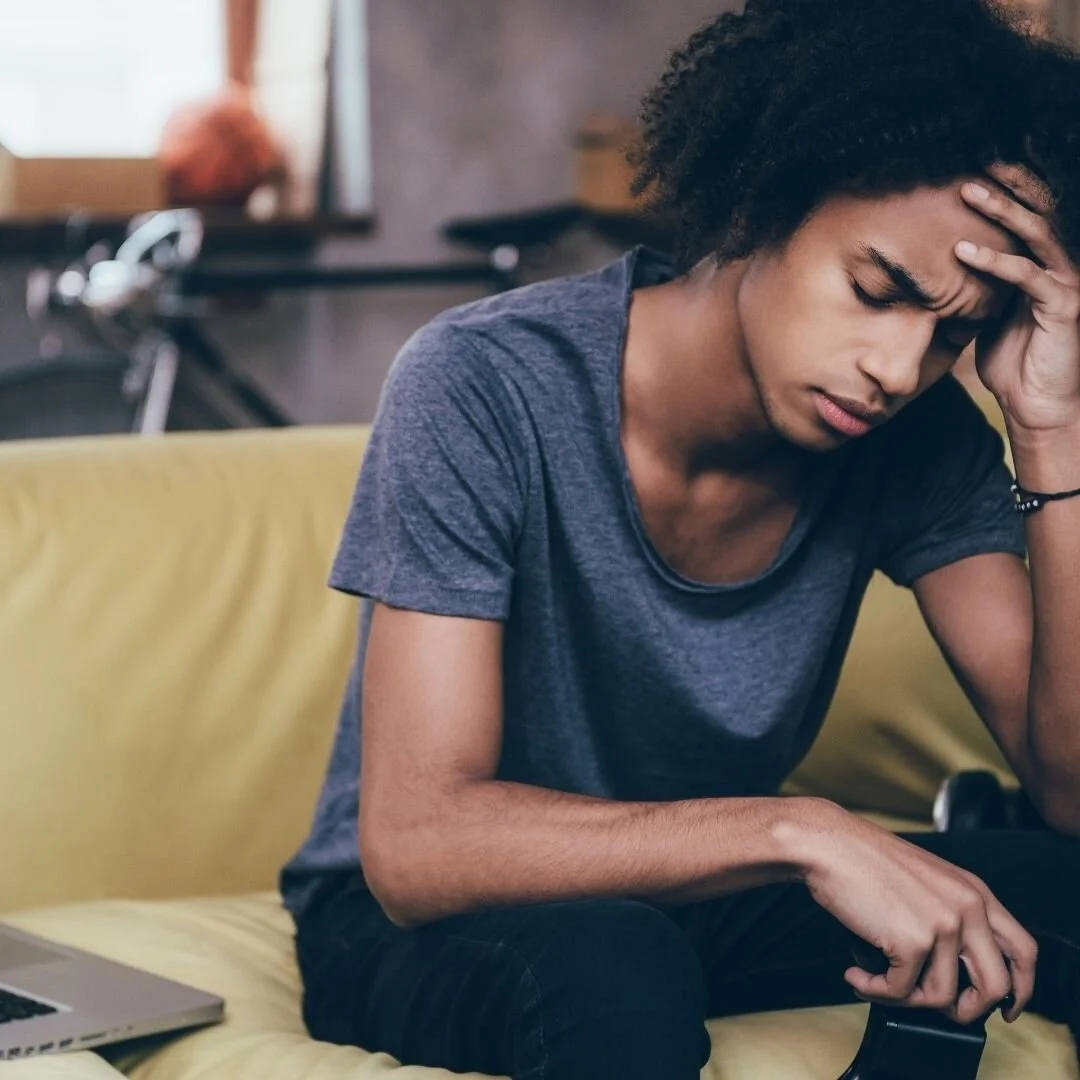
Whether the consumption occurs in both members of the couple or if it is in only one, inevitably couple conflicts will appear. In case the two have the addiction disease, they will feedback the consumption to each other. Likewise, many times one member is addicted and the other uses it to understand him or try to help him in some way. However, introducing drug use into their lives does not make it easier for the addict to stop using and start treatment, and it also tends to lead to conflict, mistrust and tension.
Usually, despite some sporadic consumption, the member of the couple who is not addicted will have difficulties understanding what happens to his partner, he will not find an explanation why he suddenly feels that he has stopped loving him and has started to constantly harm you. In general, the partner who does not consume may stop living his life to live that of the addict, trying to exercise control above all to avoid possible consumption. However, this will generate frustration and pain as you see that whatever you do you cannot stop your addicted partner from using.
In addition, because there are still many social prejudices towards people who have an addiction, and it is difficult to understand that it is a disease that is not chosen and of which the addict is not guilty, the partner of an addicted person will feel ashamed and he will cover the consequences of the addicts' consumption trying not to let anyone know about it. You may excuse yourself with family, friends, or at work, take care of your debt payments, or take responsibility for things that are not your responsibility. However, all this facilitates the consumption of the addict and, on the other hand, does not give him reasons to try to change.
What should I do if my partner has an addiction?
In cases where only one of the members of the couple consumes drugs, the relationship will be damaged by consumption, and the most appropriate and recommended is to look for a specialized addiction centre, where they will help not only the addict but also the couple. They will help them understand what is happening to them and how the addict does not want to intentionally harm the other, but, in active use, they do not have the ability to choose, nor can they prioritize their relationship over the drug.
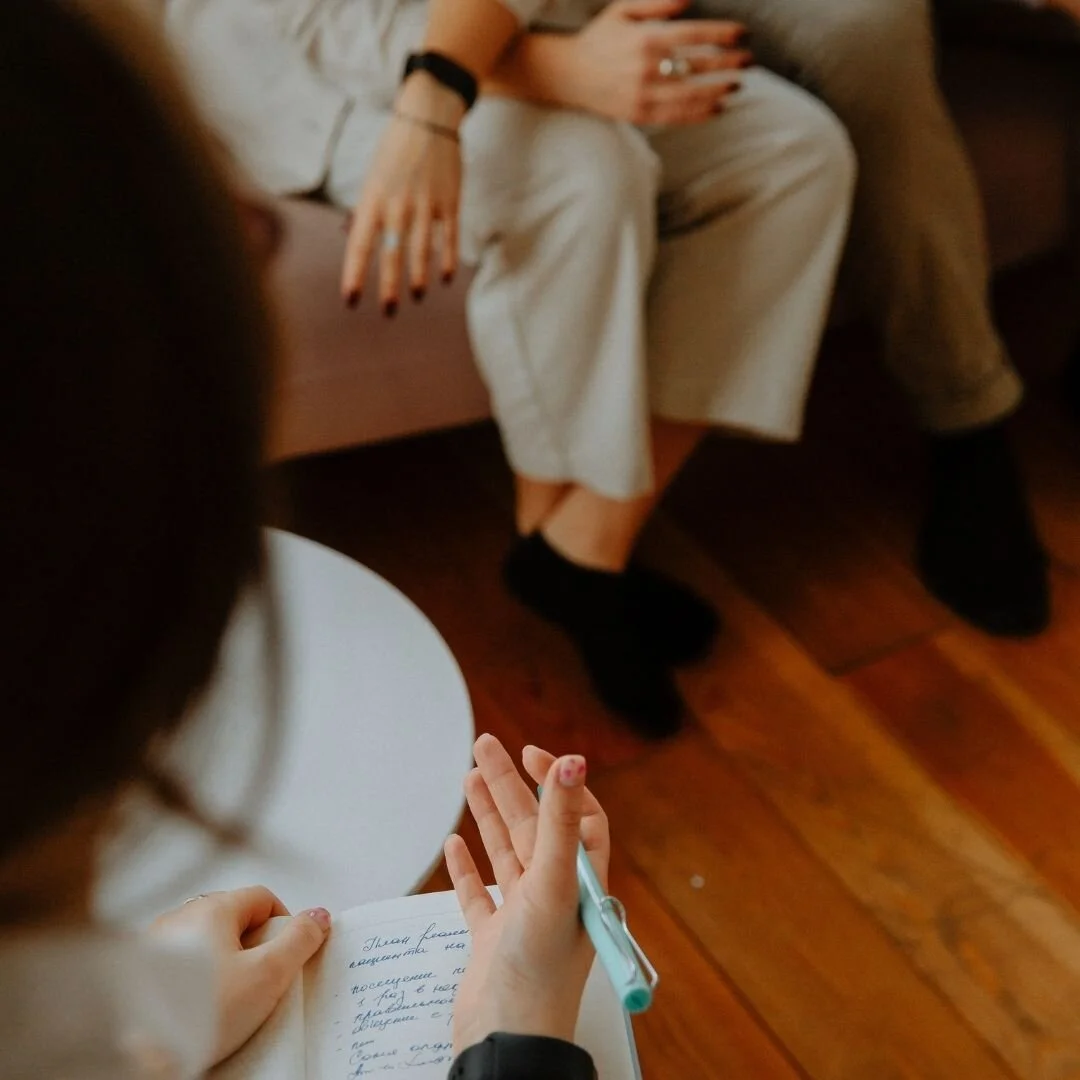
Likewise, due to the damage that the active use of the addict has generated in their partner, it is very positive that they also have a space for help, support and understanding in which they can manage their pain and learn to channel and handle different situations and emotions around the addict.
The most advisable and healthy thing for the couple is that the addict undergoes treatment to stop his illness and the person who does not consume receives therapeutic support to know the problem and recover emotionally. Contact me and we can support you.